Winter Driving Safety: Essential Tips for Staying Safe on the Road
As the colder months approach, driving conditions can become more challenging for motorists across the UK. Frosty mornings, icy roads, heavy rain, fog and reduced daylight can all increase the risk of accidents. Whether you're commuting to work, travelling to visit family or heading out on a longer journey, taking a few extra precautions can make all the difference.
At Gales Recovery, we know how quickly winter conditions can turn a straightforward journey into an unexpected roadside situation. That's why we've put together our essential winter driving safety tips to help you stay safe, prepared and confident on the road.
1. Check Your Vehicle Before Setting Off
A little preparation can go a long way when it comes to winter driving. Before heading out, take a few minutes to check your vehicle is ready for colder conditions.
Tyres: Check your tyre pressure and tread depth. The legal minimum tread depth in the UK is 1.6mm, but greater tread depth can provide better grip in wet and wintry conditions.
Lights: Make sure your headlights, brake lights, indicators and fog lights are working correctly.
Windscreen and wipers: Check your wiper blades for wear and ensure your windscreen washer fluid contains a winter-grade additive to prevent freezing.
Battery: Cold weather puts additional strain on your battery, so have it checked if it's getting older or showing signs of weakness.
Fluids: Check your engine oil, coolant and screenwash levels, ensuring your coolant has the correct antifreeze protection.
Taking these simple steps can help reduce the chances of a breakdown when temperatures drop.
2. Prepare for Ice, Frost and Snow
Winter roads can be unpredictable, particularly during early mornings and late evenings when temperatures are at their lowest.
Black ice is especially dangerous because it can be difficult to see, often forming on bridges, shaded roads and untreated surfaces. If temperatures are near freezing, assume that icy patches may be present.
When driving in icy or snowy conditions:
Reduce your speed and leave significantly more distance between you and the vehicle in front.
Accelerate gently and avoid sudden braking or sharp steering movements.
Brake smoothly and allow plenty of time to slow down.
Use a higher gear where appropriate to help reduce wheelspin on slippery surfaces.
Avoid unnecessary journeys when conditions are particularly hazardous.
Remember, driving at the speed limit doesn't always mean you're driving at a safe speed. Always adapt your driving to the road and weather conditions.
3. Improve Visibility During Darker Days
With shorter days and longer nights, visibility becomes a major concern during winter. Rain, fog, road spray and dirty windscreens can make it harder to spot hazards and other road users.
Before every journey, clear all windows, mirrors and lights of frost, snow and dirt. Never set off with just a small patch of clear windscreen.
Keep your headlights clean and use dipped headlights when visibility is reduced. In seriously reduced visibility, typically when you cannot see more than 100 metres ahead, use your fog lights where appropriate and switch them off when visibility improves.
Pay extra attention to pedestrians, cyclists and motorcyclists, who can be harder to see in poor weather and low light.
4. Leave More Time and Space
One of the biggest mistakes motorists make in winter is driving as though the roads are dry and conditions are normal.
Wet, icy and snowy surfaces increase stopping distances, sometimes dramatically. In icy conditions, stopping distances can be up to ten times greater than on dry roads.
Give yourself extra time to reach your destination, avoid rushing and maintain a larger gap between your vehicle and the one ahead. On slippery roads, gentle and predictable driving is essential.
If conditions deteriorate significantly, consider delaying your journey until it is safer to travel.
5. Carry a Winter Emergency Kit
Even well-maintained vehicles can experience problems in cold weather. If you break down, having the right equipment can make an uncomfortable situation much safer.
Consider keeping the following items in your vehicle throughout winter:
A warm coat, gloves, hat and blanket.
A phone charger or power bank.
A torch with spare batteries.
A high-visibility jacket or vest.
An ice scraper and de-icer.
A warning triangle, where safe and appropriate to use.
Drinking water and a small supply of snacks.
A first-aid kit.
A shovel and suitable traction aid if travelling in areas prone to snow.
It's also worth checking your breakdown cover before winter begins, so you know who to contact if your vehicle develops a fault.
6. Know What to Do If You Break Down
Breaking down is stressful at any time of year, but cold temperatures and poor visibility can make it particularly unpleasant.
If your vehicle develops a problem, prioritise your safety:
Move somewhere safe if possible. If you can do so safely, leave the carriageway and stop in a suitable location. On a motorway, use an emergency area or the hard shoulder if available.
Make yourself visible. Turn on your hazard warning lights and, where appropriate, your sidelights.
Get to safety. On a motorway, if it is safe to exit the vehicle, leave through the left-hand door and wait behind the safety barrier, away from moving traffic. If you cannot exit safely, remain inside with your seatbelt fastened and call 999.
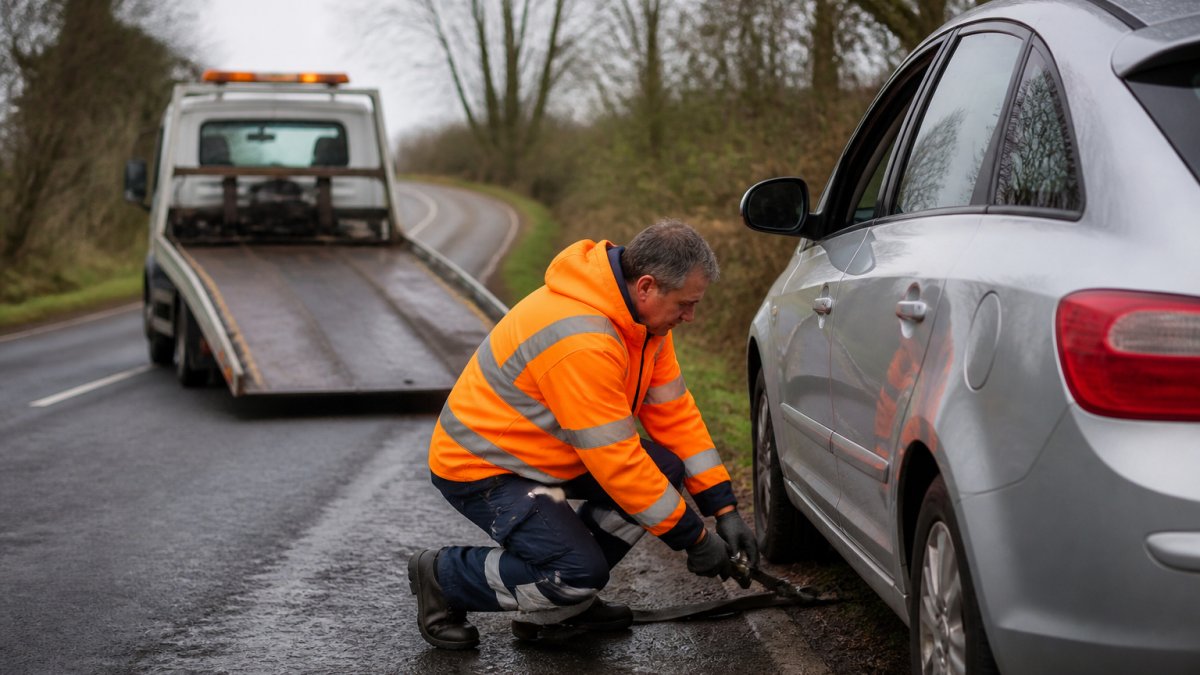
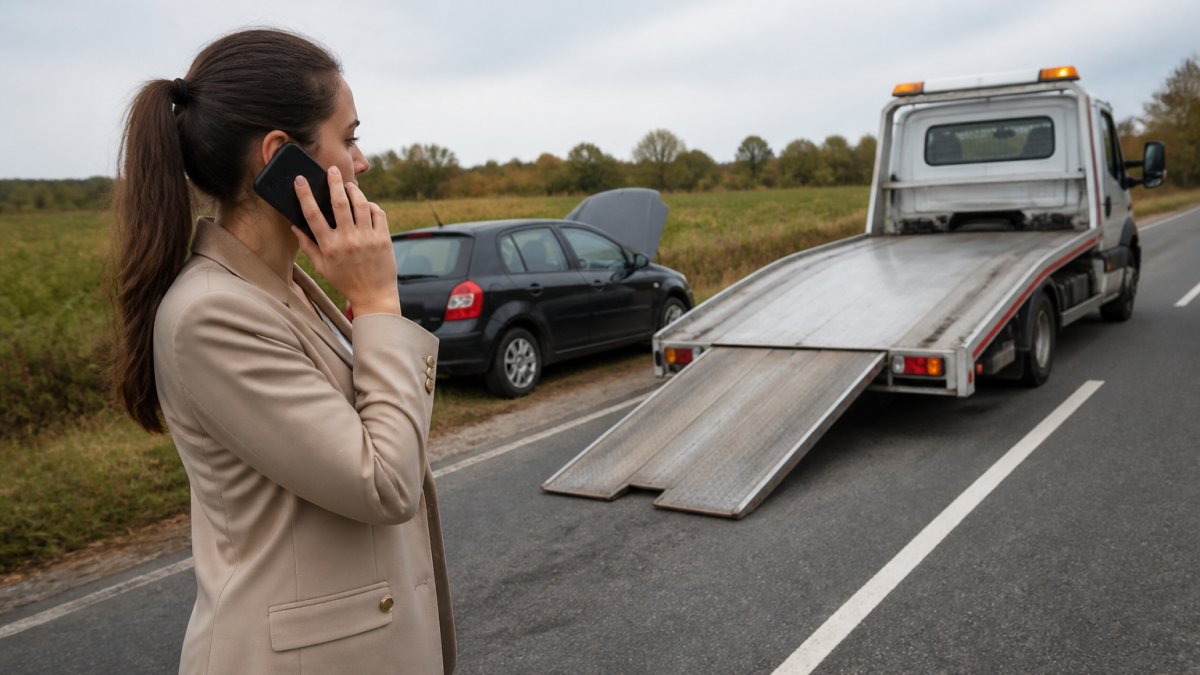
Call for assistance. Contact your breakdown provider or a professional vehicle recovery service and explain your location and circumstances.
Never attempt a roadside repair in a dangerous location or stand close to moving traffic. Your safety should always come first.
7. Plan Your Journey Before You Leave
Before setting off, check the weather forecast, traffic updates and any warnings affecting your route. Allow additional time for delays and consider alternative routes if conditions are particularly poor.
Make sure your phone is charged, your fuel or battery range is sufficient, and someone knows your expected arrival time if you're travelling a long distance.
If severe weather warnings are in place, ask yourself whether the journey is essential. Sometimes the safest decision is simply to wait until conditions improve.
Stay Safe This Winter with Gales Recovery
Winter driving doesn't have to be daunting. With a well-maintained vehicle, careful preparation and a sensible approach to changing road conditions, you can significantly reduce your risks and help keep yourself and other road users safe.
At Gales Recovery, we're here to help when the unexpected happens. As specialists in 24-hour emergency breakdown and accident recovery, we understand the importance of reliable assistance when you need it most.
Save our details before you travel, drive to the conditions and remember: large enough to cope, small enough to care.
For emergency breakdown or accident recovery, visit www.galesrecovery.com.
Stay prepared, stay alert and stay safe on the roads this winter.
Comments