Is 24 Hour Car Recovery Worth It? A Cost Breakdown
Last Updated: November 7, 2026
Quick Summary
24-hour car recovery is worth it if you break down or need a tow more than occasionally, because a single long-distance recovery can cost more than several years of a comprehensive policy. Low-mileage drivers with a reliable car usually pay less with pay-as-you-go.
Compare the policy level you would actually buy against the recovery distance you would actually need.
A local daytime tow of two to five miles is the cheapest job a recovery firm does.
A motorway breakdown costs more due to specialist clearance and safety requirements.
High mileage and an older car point toward annual cover; low mileage and a newer car toward pay-as-you-go.
Gales Recovery offers direct insurance billing, so you do not pay upfront and chase reimbursement.
Broken down now or planning cover?
Gales Recovery provides 24/7 vehicle recovery with direct insurance billing and a 45-minute response commitment.
Table of Contents
Annual Cover Versus Paying Per Callout
Whether 24-hour car recovery is worth it comes down to a simple trade: a fixed annual premium against an unpredictable callout bill. For drivers who face a breakdown or tow more than occasionally, annual cover can pay for itself quickly. For low-mileage drivers with a reliable car, pay-as-you-go often wins.
Breakdown cover is a contract that pays for roadside help when your vehicle stops. Pay-as-you-go recovery means you call a recovery firm and pay for that job alone. The two are not the same product, and the keyword question is really asking which of them represents better value for your circumstances.
What each option actually costs
Annual breakdown cover prices vary widely by policy level, callout limit and recovery distance, and pay-as-you-go recovery is priced per job depending on distance, time of day and vehicle condition. For current prices and a quote for your vehicle, see the Gales Recovery website.
The point is the ratio: a single long-distance recovery can cost more than several years of a comprehensive policy, so compare like with like when you assess the two options.
A worked break-even example
Consider a worked example using your own figures. Suppose a comprehensive policy costs a given annual premium and includes home-start and national recovery. Compare that premium against the price of a single long-distance recovery and a single local tow.
Now suppose you drive modest annual mileage in a newer car with a full service history. Your realistic breakdown risk is low. If you face only occasional local callouts, pay-as-you-go may cost less overall than a basic policy. That is the case where paying per callout can win.
The break-even point is therefore not a single number. It is the number of callouts at which your annual premium equals what you would have paid per job, and that number changes with the policy level and the recovery distance.
The factors that tip the decision
Mileage: higher annual mileage means more exposure, which favours annual cover.
Vehicle age and condition: an older car with a patchy service history is more likely to need recovery, which favours cover.
Commute length and road type: motorway commuting raises the cost of a pay-as-you-go recovery because specialist clearance and safety requirements apply.
Access to alternative transport: if a breakdown would leave you stranded with no realistic backup, the convenience of a policy has value beyond the raw maths.
Policy limits: a cheap policy with a low callout limit or a short recovery distance can leave you paying the difference on a long tow, which erodes the apparent saving.
Watch out: comparing a comprehensive annual premium with a single local tow understates the value of cover. Compare like with like, the policy level you would actually buy against the recovery distance you would actually need.
This guide from Gales Recovery sets out both sides so you can decide with the figures for your own circumstances.
What 24-Hour Breakdown Cover Actually Includes
24-hour breakdown cover is a policy that provides roadside assistance and recovery at any time of day or night, usually through a network of patrols and partner garages. It is not a guarantee of instant arrival; it is a promise that help is dispatched.
Standard cover typically includes:
Roadside repair where the fault is fixable at the kerb
Towing to a garage or your home address
Home-start cover, which covers breakdowns on your own driveway
Onward travel or a replacement vehicle while yours is repaired
A callout limit per year and a recovery distance limit per job
Those last two points matter most. A policy with a low callout limit or a short recovery distance can leave you paying the difference on a long tow. Check both before comparing renewal prices. The Association of British Insurers guidance on motor cover is a useful starting point for understanding what policies can and cannot exclude.
Car Recovery Cost Without Cover: Realistic Scenarios
Car recovery cost without cover depends on distance, time of day, vehicle type and whether the car is driveable. A local tow across a few miles costs far less than a national recovery from a motorway. The useful version is to put realistic figures against each scenario so you can see what a pay-as-you-go callout would actually set you back.
Scenario 1: Local recovery, daytime
A short tow of two to five miles to a nearby garage, during normal hours, with a driveable or easily loaded vehicle. This is the cheapest job a recovery firm does. Pricing depends on the firm, distance and access; check current prices or request a quote before booking. The price is driven by distance and ease of loading, not by the fault itself.
Scenario 2: Motorway breakdown
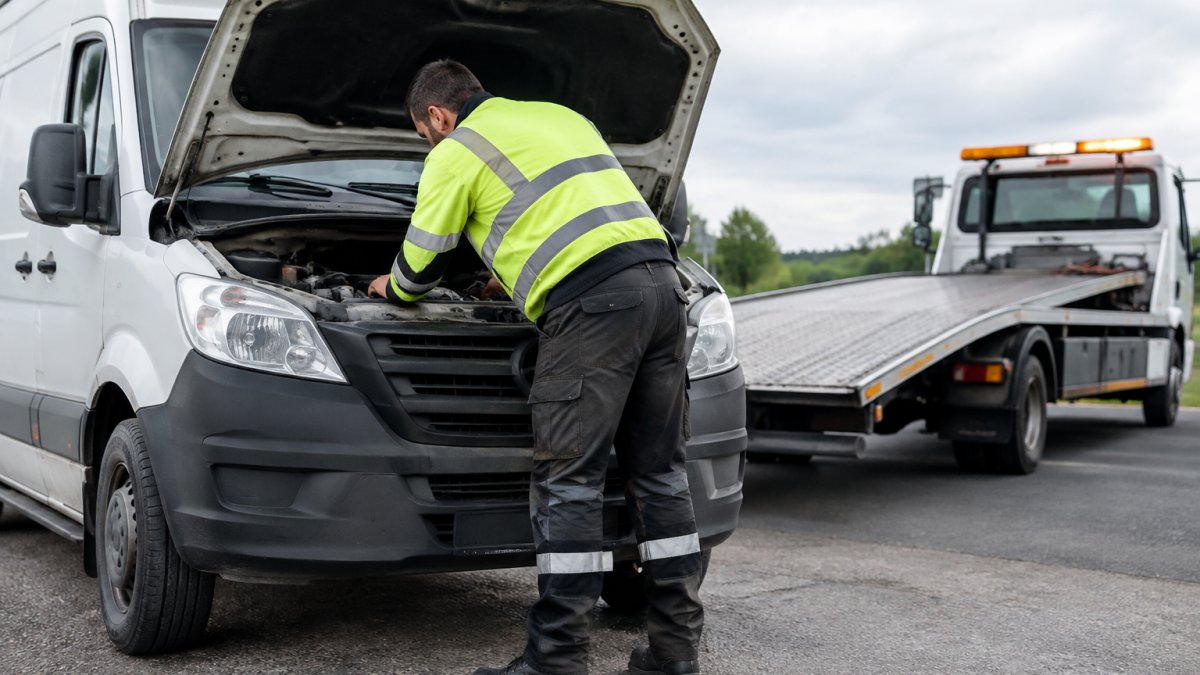
A breakdown on a motorway or dual carriageway involves specialist clearance and safety requirements, and often a police or National Highways referral. The job is priced higher because of the risk and the equipment needed. Pricing for a motorway recovery depends on the specific circumstances, including time of day and any lane closures; request a quote for your situation.
Scenario 3: Long-distance national recovery
Recovering a vehicle from one end of the country to the other, or from a holiday destination back home, is priced on mileage. Pricing is based on mileage, so confirm whether the quote includes onward travel for passengers. This is the scenario where a pay-as-you-go bill most often exceeds the annual cost of comprehensive cover.
Scenario 4: Accident recovery, non-driveable vehicle
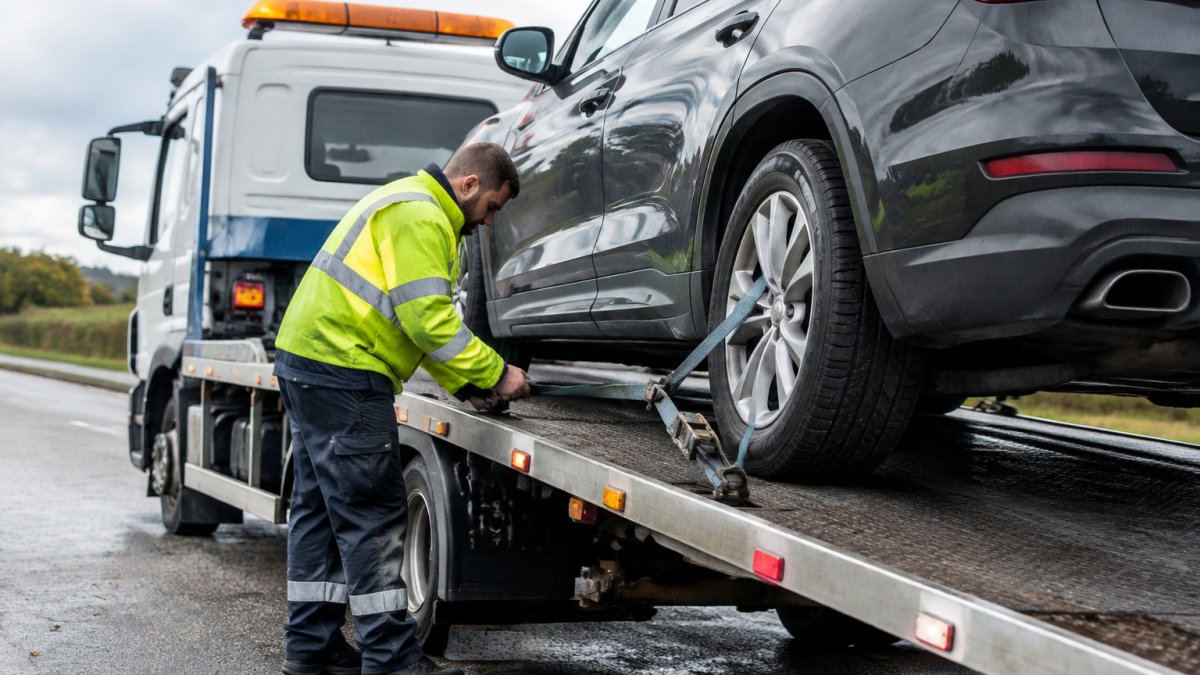
A damaged, non-driveable vehicle needs winching and careful handling, and is usually quoted per job rather than from a tariff. Accident recovery is quoted per job, so confirm whether storage is included, as a vehicle held at a yard can accrue charges.
Scenario | What drives the price | Typical cost pattern |
Local recovery, daytime | Short distance, easy access | Roughly £80-£150 |
Motorway breakdown | Specialist clearance, safety requirements | Roughly £150-£300 |
Long-distance national recovery | Mileage, onward travel | Roughly £200-£400+ |
Accident recovery, non-driveable | Winching, damaged vehicle handling, storage | Quoted per job |
Watch out: the cheapest quoted price may not be the final invoice, so confirm which extras might apply before you agree to a job. Our guide to avoiding hidden recovery fees explains which extras to check.
How these figures compare with annual cover
Set the scenarios against the annual premium for a comprehensive policy. A single motorway breakdown or a long-distance recovery can exceed a year's premium outright, and two local callouts in one year can also exceed it, depending on the prices you are quoted. The pay-as-you-go route tends to win only when your realistic annual callout count is low. That is the comparison the keyword is really asking you to make, and it is the one most articles skip.
What to Do If Your Car Breaks Down Without Cover
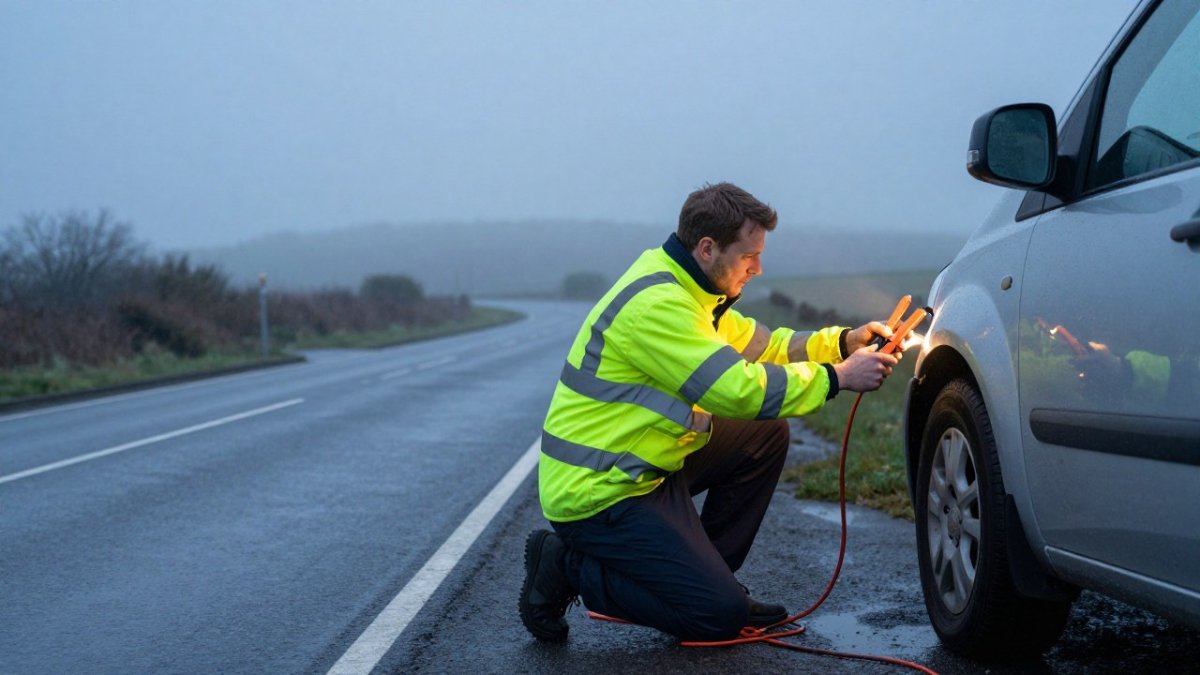
If your car breaks down without cover, move to a safe place, switch on hazard lights, and call a recovery firm directly. Give your exact location, vehicle type and the symptoms. Ask for a quote before dispatch.
A practical sequence:
Get yourself and passengers behind a barrier, away from traffic
Note the road, direction of travel and nearest marker post
Call a recovery service and confirm the price and response time
Tell the operator if the vehicle is damaged or non-driveable
Stay with the vehicle unless told otherwise
You can book emergency vehicle recovery online if you prefer to arrange it in writing rather than by phone. Either way, confirm the total cost, not just the callout fee.
Direct Insurance Billing for Car Recovery Explained
Direct insurance billing for car recovery means the recovery firm invoices your insurer directly, so you do not pay upfront and chase reimbursement. It removes the largest source of stress in an accident recovery: finding the money before you get home.
It works when your policy covers recovery and the firm is set up to bill insurers. You provide your policy details at the scene, the firm confirms cover, and the invoice goes to the insurer. Where a policy has an excess or an exclusion, you may still owe that portion.
Our step-by-step guide to direct insurance billing covers the detail. Gales Recovery offers direct insurance billing, which means you do not have to pay upfront and chase reimbursement, subject to your policy and the job.
A Decision Framework Based on Mileage, Vehicle Age and Risk
Use mileage, vehicle age and breakdown risk to decide between annual cover and paying per callout. High mileage and an older car point toward annual cover; low mileage and a newer car point toward pay-as-you-go.
Your situation | Recommendation | Why |
High annual mileage, commuting | Annual cover | More exposure, more risk |
Older car, long trips | Annual cover with national recovery | Distance limits matter |
Low mileage, newer car | Pay-as-you-go | Premium likely exceeds risk |
Second car, occasional use | Pay-per-callout | Cover rarely used |
A common mistake is buying the cheapest policy and discovering the recovery distance limit only when stranded far from home. Match the policy level to your actual driving, not to the lowest quote.
Getting Recovery When You Are Already Broken Down
If you are already broken down, the fastest route is a direct call to a 24-hour recovery service. Do not wait for a policy renewal decision; deal with the immediate problem first, then review your cover.

At Gales Recovery, we run 24/7 vehicle recovery and roadside assistance with a 45-minute response time commitment, including accident recovery and event road clearance. If you are weighing response expectations, our guide to emergency roadside assistance response times sets out what to expect. For immediate help, contact our recovery team and we will confirm the price and dispatch before we set off.
The challenge is not choosing between cover and callout in the abstract; it is knowing which fits your driving today. If you are unsure, speak to us before your next renewal. Gales Recovery provides 24/7 availability, a 45-minute response commitment, direct billing to insurers, and event road clearance, so you can decide with the facts in front of you.
Frequently Asked Questions
Is 24-hour car recovery worth paying for?
It depends on your mileage and vehicle age. If you drive an older car or cover high annual mileage, a single emergency callout and tow can cost more than a year of membership. Low-mileage drivers in a newer, reliable car may be better off keeping a cash reserve for a pay-as-you-go recovery. Work out your likely callout exposure before committing to an annual premium.
Is breakdown cover cheaper than paying for recovery when you need it?
Not always. Annual cover spreads risk across the year, so it pays off if you claim once or more. If you rarely break down, pay-per-callout can be cheaper overall. The break-even point depends on the callout fee, recovery distance and whether you need home-start. Ask for a quote and compare it against a realistic pay-as-you-go scenario for your vehicle.
Can my insurer pay a recovery company directly?
Some recovery providers offer direct insurance billing for car recovery, meaning the provider invoices your insurer rather than asking you to pay upfront and chase reimbursement. Check that your policy covers recovery and confirm the provider's billing process before the job starts. This avoids holding a large sum on your card while a claim is processed.
What should I do if my car breaks down and I have no cover?
Move to a safe position, switch on hazard lights and get behind a barrier if you are on a motorway. Call a local recovery service and ask for a fixed quote before agreeing to the job, including the recovery distance and any mileage charges. Confirm the total cost in writing where possible, and ask whether the provider can bill your insurer directly if you plan to claim.
Comments